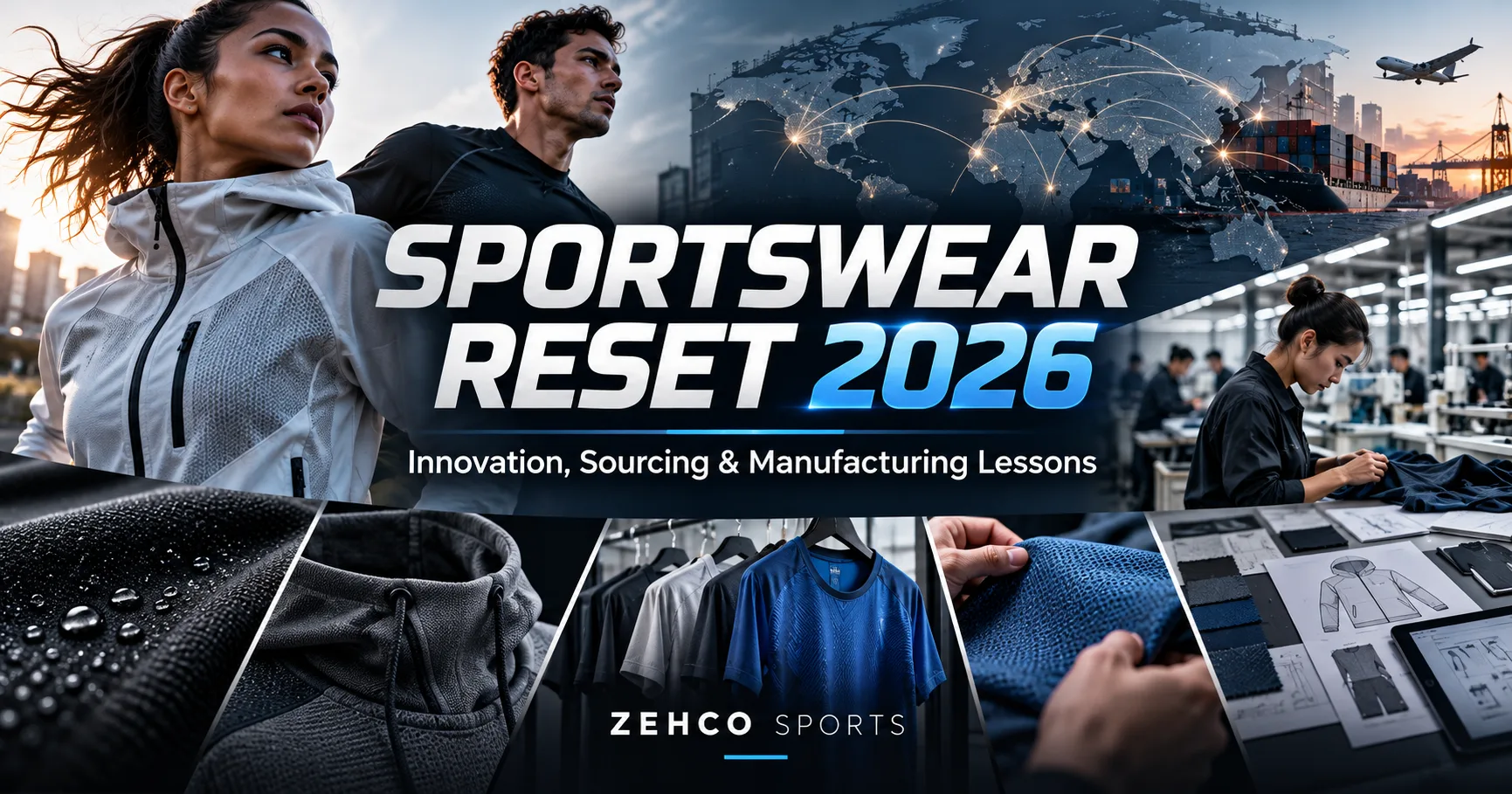
The global sportswear market is providing a useful lesson in 2026: scale alone does not protect a brand from weak product cycles, inventory pressure or changing consumer demand. For emerging labels, distributors, clubs and sourcing managers, the important takeaway is not to copy a multinational company's strategy, but to understand how product development and manufacturing flexibility affect commercial performance.
Nike's latest results show the pressure clearly
Nike reported fiscal 2027 first-quarter revenue of $11.2 billion, down 4% on a reported basis. Greater China revenue fell 22% reported and 26% on a currency-neutral basis. The company said its performance-focused Sport Offense strategy was showing momentum in priority sports while it continued work to reposition Nike Sportswear, Jordan Brand and Greater China.
Nike also announced a new operating model called Pace, intended to improve productivity and help scale successful parts of the business. Reuters reported that the company is pursuing additional restructuring while investors focus on whether stronger innovation and portfolio discipline can improve the turnaround.
Lesson 1: product relevance must come before volume
For a smaller brand, one of the biggest risks is ordering too much of a style simply because a previous version sold well. Consumer preferences can shift toward a different fit, fabric, decoration technique or performance function before the next order reaches the market.
A disciplined OEM process reduces this risk by separating product development from bulk production. The normal sequence should include technical design confirmation, fabric selection, branding method, sample production, fitting or performance review, pre-production approval and controlled bulk manufacturing.
Lesson 2: sportswear is not one product category
A basketball jersey, compression shirt, motorcycle racing suit, fight short and casual hoodie may all sit under a sportswear label, but the technical requirements are very different.
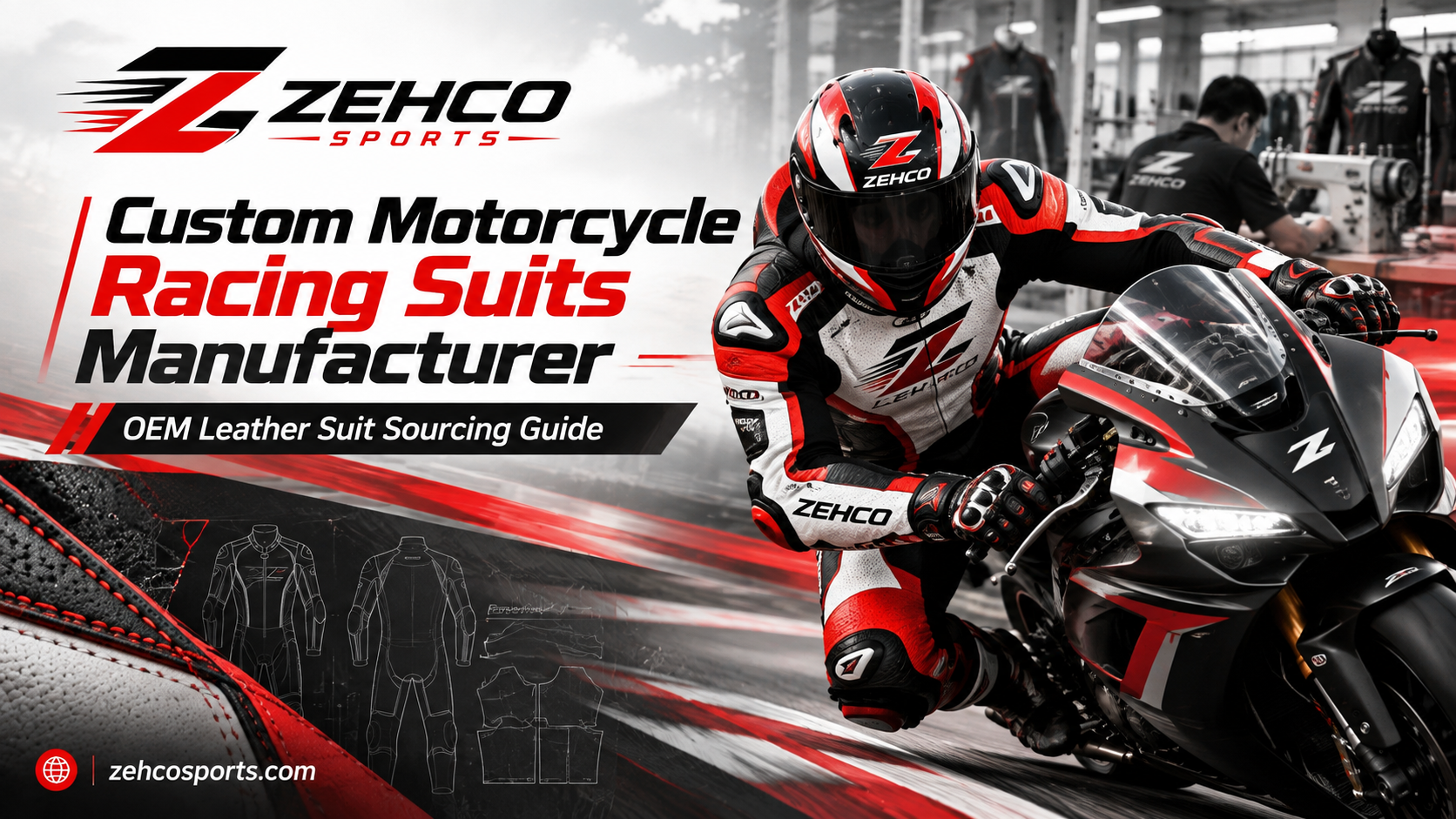
Team jerseys may rely on lightweight polyester, mesh structures, sublimation, embroidery or tackle-twill details. Compression products require stretch recovery and consistent fit. Motorcycle racing wear demands abrasion-resistant materials, reinforcement, protective construction and more complex pattern engineering.
Buyers should therefore select a manufacturer based on the product's real construction requirements rather than the lowest unit quotation alone.
Lesson 3: flexible sourcing can reduce inventory risk
Large brands are spending heavily to become faster and more responsive. Smaller brands can pursue the same objective with simpler systems: approved fabric libraries, saved size specifications, repeatable labels, standardized color references, reusable embroidery files and documented quality-control checkpoints.
Once these inputs are standardized, repeat orders can move faster and product revisions become easier to control.
Lesson 4: decoration should match the garment
Premium appearance does not require the heaviest decoration technique on every part of a garment. Embroidery can be ideal for numbers, letters, logos and selected patches, while large illustrations or complex backgrounds may be better handled through sublimation or print on lightweight performance garments.
Choosing the right combination helps manage garment weight, flexibility, production time and cost.
Questions buyers should ask an OEM manufacturer
Before confirming an order, a buyer should understand material composition, GSM, customization method, MOQ per design, sample cost, sample lead time, bulk lead time, grading, labeling, packaging and repeat-order capability.
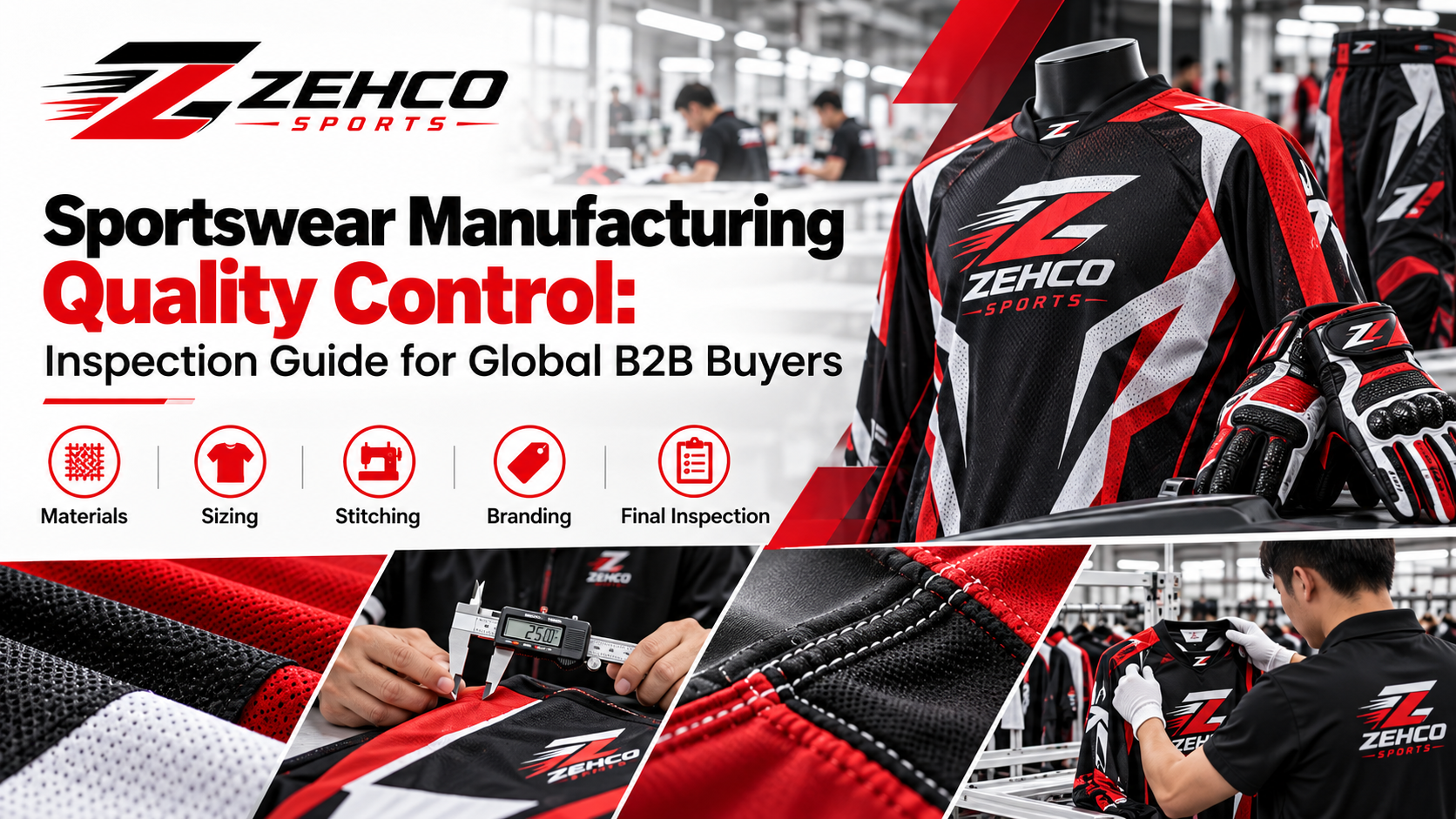
For branded products, buyers should also ask how the factory controls fabric consistency, stitching, measurements, logo placement, color matching and final packing quantities.
How ZEHCO Sports fits into this market
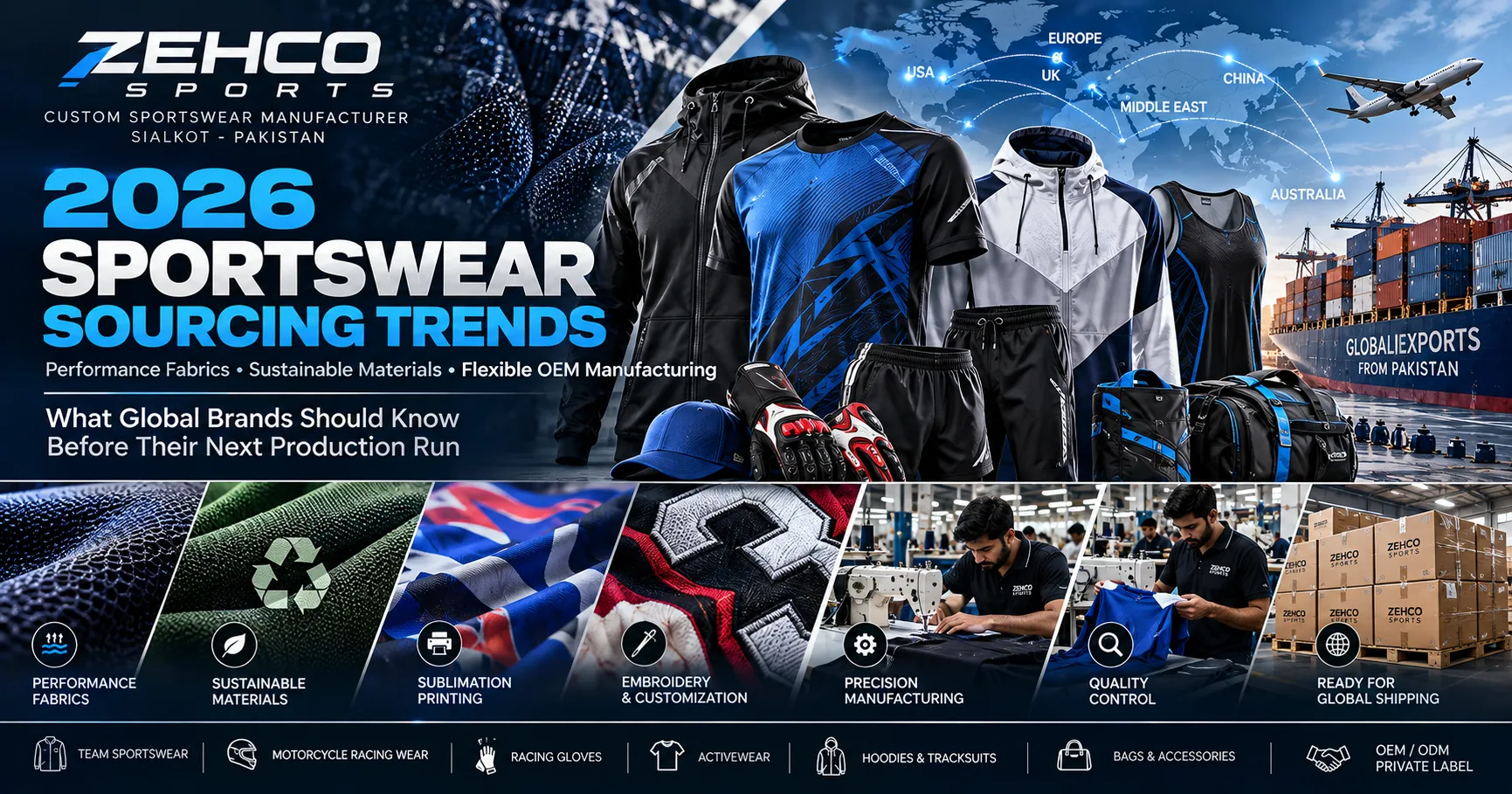
ZEHCO Sports is a Sialkot-based OEM, ODM and private-label manufacturing division supporting international buyers across team sportswear, racing wear, motorcycle apparel, fight wear, compression products and custom garments.
The 2026 market environment reinforces a simple sourcing principle: brands that can test, refine and scale proven products are generally in a stronger operational position than brands that commit too early to large inventories.
Sources
Financial figures and management commentary are based on Nike's fiscal 2027 first-quarter results dated 1 October 2026: Nike Investor Relations. Additional context: Reuters reporting dated 1-2 October 2026.