Motorcycle Racing Gloves Manufacturing: A Technical Guide for International Buyers
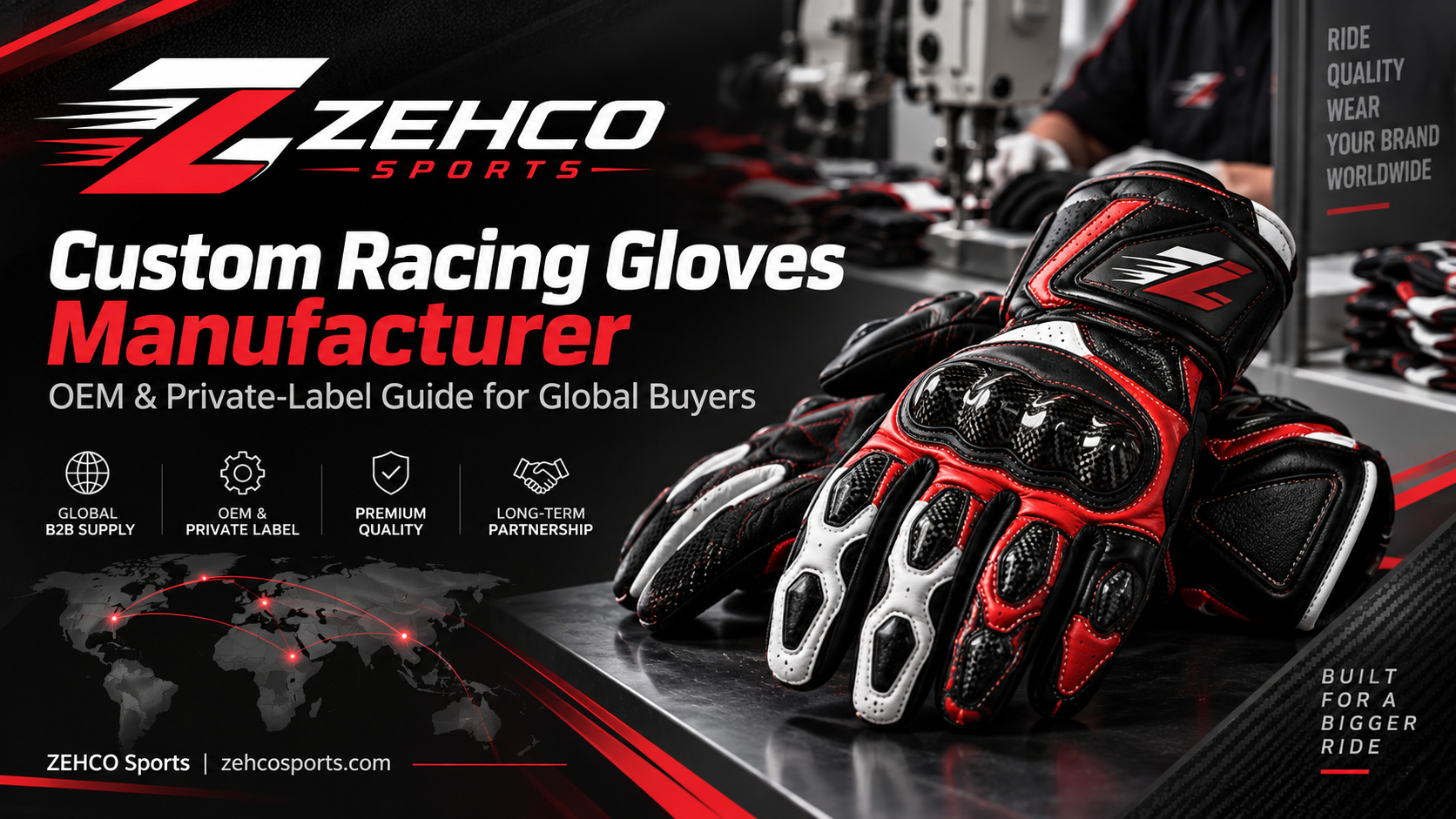
Motorcycle racing gloves are important components of a rider's protective equipment. Unlike ordinary fashion gloves, racing gloves must be designed to combine abrasion resistance, secure fit, hand mobility, reliable closure systems and appropriate impact protection. For motorcycle apparel brands, professional racing teams, distributors and wholesale buyers, understanding glove construction is essential before selecting an OEM manufacturing partner.
Motorcycle racing gloves manufacturing involves multiple technical considerations, including leather selection, knuckle protectors, palm reinforcement, finger construction, seam placement, ergonomic pattern development and quality verification. Even small changes to materials or stitching arrangements can influence glove comfort, durability and protective performance.
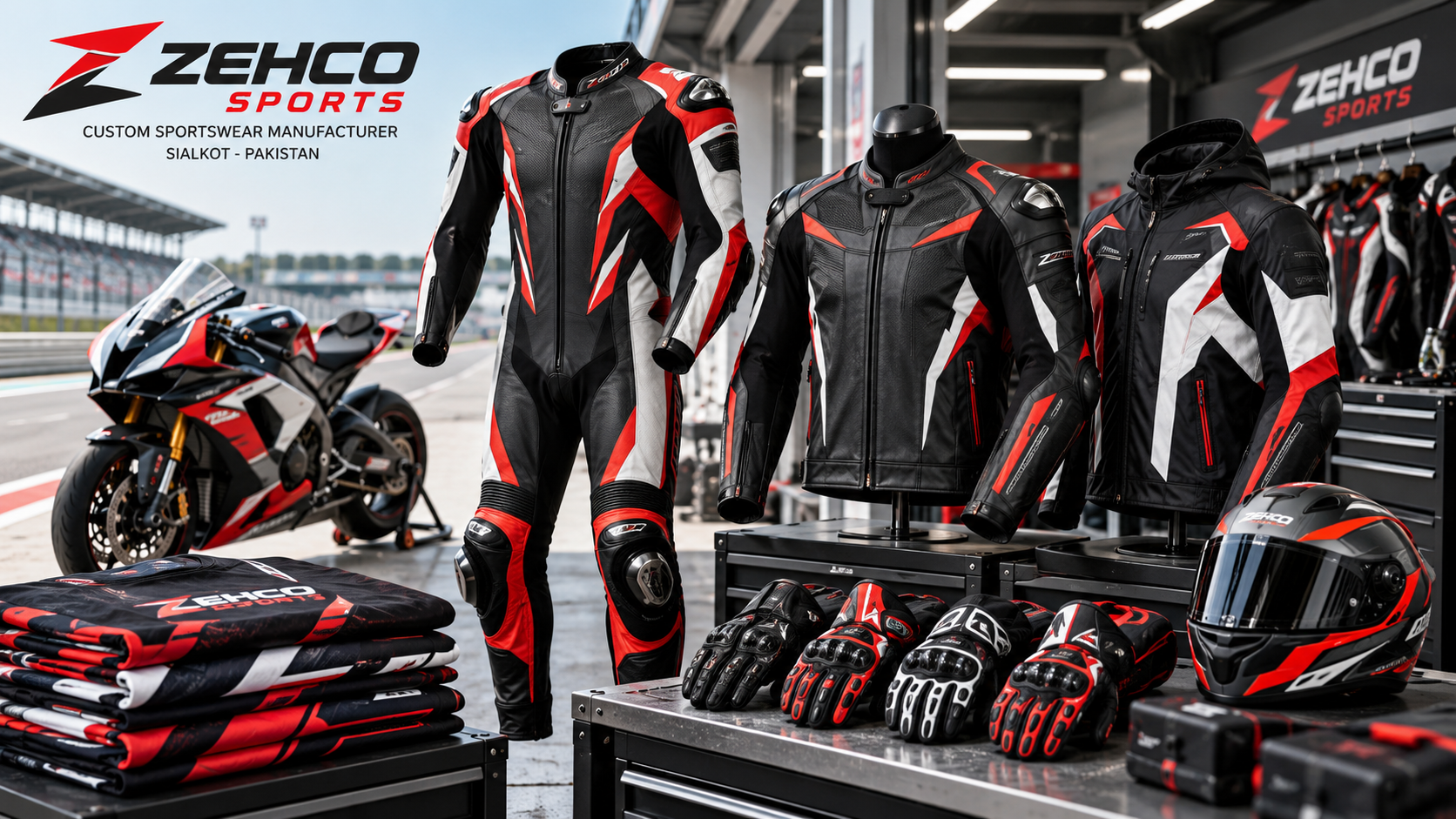
ZEHCO Sports is a custom sportswear and racing gear manufacturer based in Sialkot, Pakistan, supporting OEM, ODM and private label manufacturing inquiries for international buyers. This guide explains the important manufacturing decisions brands should consider when developing motorcycle racing glove collections.
1. Understanding Motorcycle Racing Glove Construction
Motorcycle racing gloves are generally engineered with different material zones because the palm, fingers, knuckles and wrist experience different functional demands.
Well-developed glove designs consider hand movement while holding motorcycle handlebars, operating controls and maintaining grip during riding.
Key construction elements may include:
- Outer shell: Leather or other approved abrasion-resistant materials.
- Knuckle protection: Protective shells or impact-absorbing components positioned over the knuckles.
- Palm reinforcement: Additional abrasion-resistant material in areas exposed during sliding contact.
- Palm sliders: Components intended to influence sliding behavior and potentially reduce catching, subject to design and testing.
- Finger protection: Reinforced panels, padding or protective components.
- Closure system: Secure wrist and cuff fastening.
- Internal construction: Linings, seam arrangements and material finishes selected for comfort and functionality.
The final design should be based on the intended riding application and applicable protective equipment standards rather than appearance alone.
2. Selecting Leather for Motorcycle Racing Gloves
Leather selection influences abrasion resistance, flexibility, comfort, appearance and production cost.
Cowhide Leather
Cowhide is commonly considered for motorcycle protective apparel because suitable grades can provide useful abrasion and mechanical properties. The performance of a finished glove depends on leather quality, thickness, tanning, finishing and overall construction.
Goatskin Leather
Goatskin is another popular material option for gloves. Suitable goatskin grades may offer a useful combination of flexibility, tactile sensitivity and strength.
Manufacturers may select goatskin for sections where hand movement and handlebar control are important.
Leather Thickness and Consistency
Leather thickness requirements should be established in the technical specification. Buyers should avoid assuming that thicker leather automatically produces a safer glove.
Excessive material thickness can restrict movement, while insufficiently durable construction may compromise protective performance.
Material testing and finished-glove evaluation should guide the final selection.
3. Palm Sliders and Reinforcement Design
Palm sliders are distinctive features of certain sport and racing motorcycle gloves. They are typically positioned around selected areas of the palm or outer hand to influence how the glove interacts with a surface during a fall.
Some designs use hard polymer components, while others employ additional reinforcement materials.
Why Palm Slider Placement Matters
Palm protection design must consider the relationship between the protective component, natural hand movement and expected impact or sliding conditions.
Incorrectly positioned components may interfere with grip or cause discomfort.
Brands should evaluate palm slider designs through appropriate physical testing rather than relying only on visual resemblance to established racing products.
Reinforced Palm Panels
Additional palm layers may be incorporated into high-wear areas. Depending on the proposed construction, these may involve reinforced leather sections, specialized textile layers or other suitable materials.
Each reinforcement should be assessed for flexibility, seam strength and compatibility with the overall glove structure.
4. Knuckle Protection and Impact-Absorbing Components
Knuckle protection is another important consideration in motorcycle racing gloves manufacturing.
Protective assemblies may use rigid exterior shells, energy-absorbing layers or combinations of materials intended to distribute and manage impact forces.
Material options can include suitable polymer components and engineered protective assemblies.
However, a rigid-looking knuckle shell does not automatically establish tested impact protection.
International buyers should specify applicable testing requirements and obtain reliable documentation confirming the performance of the finished glove model.
Ergonomic Knuckle Positioning
The position of protective elements must correspond with the rider's hand anatomy and riding posture.
During sampling, manufacturers should examine whether the knuckle assembly remains appropriately positioned when the hand is curved around handlebars.
Design teams should also evaluate material pressure points and interference with finger articulation.
5. Finger Construction and Pre-Curved Patterns
Motorcycle racing gloves often incorporate pre-curved finger patterns to accommodate the natural position of a rider's hands when gripping handlebars.
Pattern engineering may reduce unnecessary fabric bunching and improve comfort when holding motorcycle controls.
Important construction considerations include:
- Finger length and circumference.
- Thumb positioning.
- Pre-curved panel shaping.
- Seam locations.
- Finger articulation.
- Internal comfort and lining construction.
Some racing glove designs use finger bridging or additional reinforcement features. These should be developed according to the product's intended use and evaluated for movement, fit and protective performance.
6. Stitching and Seam Engineering
Stitching quality is important because seams connect protective material panels and help maintain glove integrity during use.
Manufacturers may use different seam constructions depending on their design objectives, material characteristics and applicable standards.
Reinforced Seams
Selected sections may require additional stitching or reinforcement. However, the number of stitch rows alone does not determine seam performance.
Thread properties, stitch length, seam allowance, panel geometry and sewing consistency all influence the finished result.
Seam Placement
Seams should be positioned to balance material strength, hand mobility, comfort and the intended protective function.
Improperly positioned seams may create pressure points or increase vulnerability in demanding conditions.
Production Inspection
Factories should inspect for skipped stitches, damaged leather, broken threads, uneven seam allowances and poorly secured thread ends.
Where protective performance is claimed, representative finished gloves should undergo relevant testing.
7. Long Cuff and Short Cuff Racing Gloves
Motorcycle gloves may be designed with different cuff lengths, depending on their intended applications.
Long Cuff Racing Gloves
Long cuff designs extend beyond the wrist and may overlap with motorcycle jacket or racing suit sleeves.
These designs are frequently associated with sport riding and racing applications.
The cuff system should be evaluated for secure closure, sleeve compatibility and freedom of wrist movement.
Short Cuff Motorcycle Gloves
Short cuff gloves may suit certain urban or recreational riding applications, depending on their construction and tested protective properties.
The selected design must correspond with the brand's intended product category and target users.
8. Motorcycle Racing Glove Sizing and Fit Development
Correct sizing is essential for rider comfort and proper positioning of protective components.
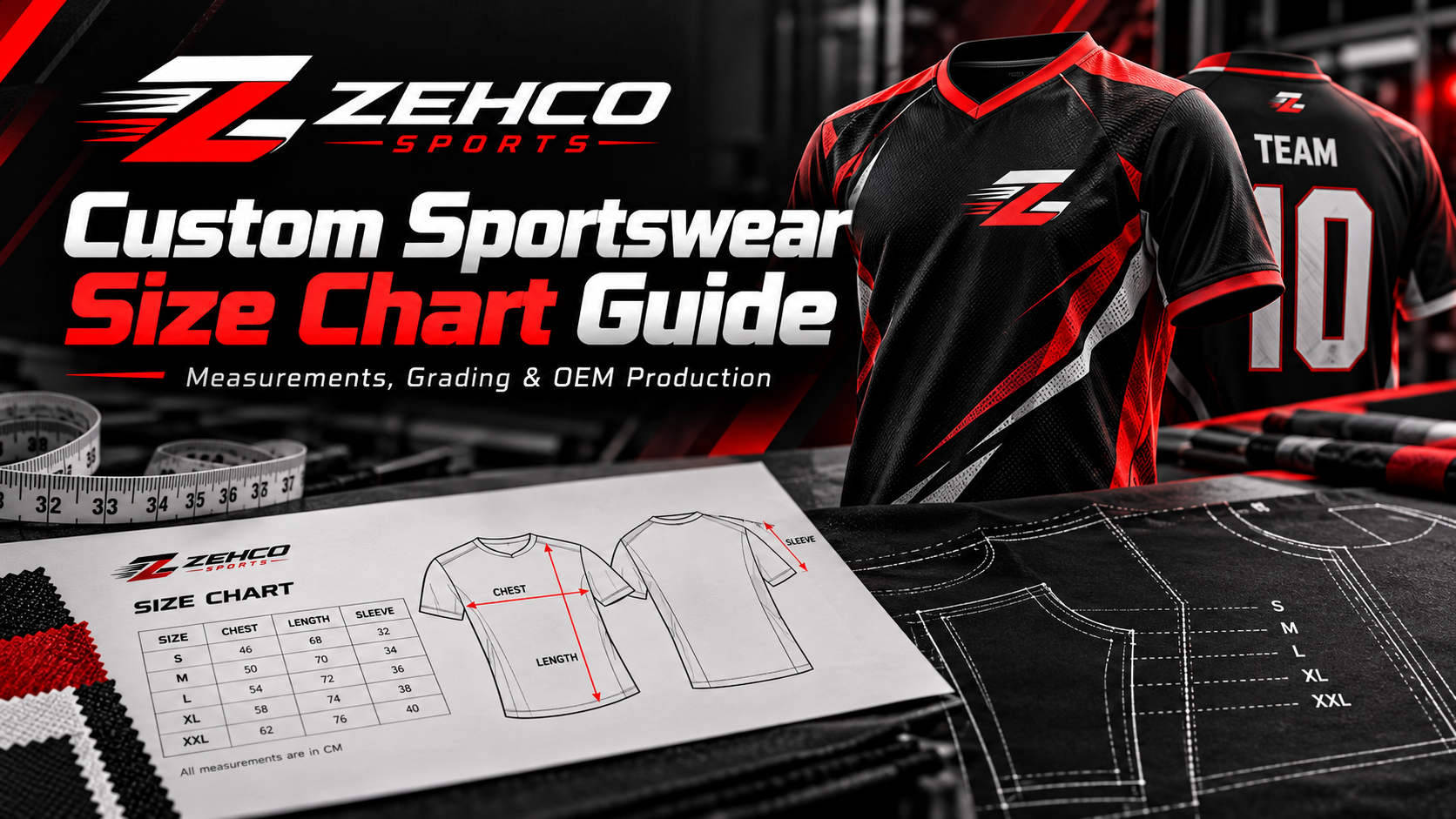
Brands should develop a measurement chart using clearly defined hand measurement methods.
Potential measurements include:
- Palm circumference.
- Hand length.
- Middle finger length.
- Thumb length.
- Wrist circumference.
- Cuff opening dimensions.
Glove sizing is not always directly comparable between different brands or markets. International buyers should validate their measurement charts through physical fitting sessions and approved production samples.
A glove that is too loose may allow protective components to shift, while an excessively tight glove can restrict movement and cause discomfort.
9. OEM and Private Label Branding Options
Custom motorcycle racing glove manufacturing gives brands opportunities to develop their own product identity.
Depending on the design and material construction, possible branding methods may include:
- Printed brand marks on suitable material panels.
- Embossed or debossed leather branding.
- Custom decorative stitching.
- Branded closure tabs.
- Custom color combinations.
- Woven internal labels.
- Custom retail packaging.
Branding must not interfere with protective components, required product markings or verified construction specifications.
For private label programs, buyers should provide artwork in an appropriate production-ready format and confirm the ownership or authorization of all trademarks.
10. Sampling Process for Custom Racing Gloves
Sample development helps manufacturers and buyers evaluate design requirements before committing to bulk production.
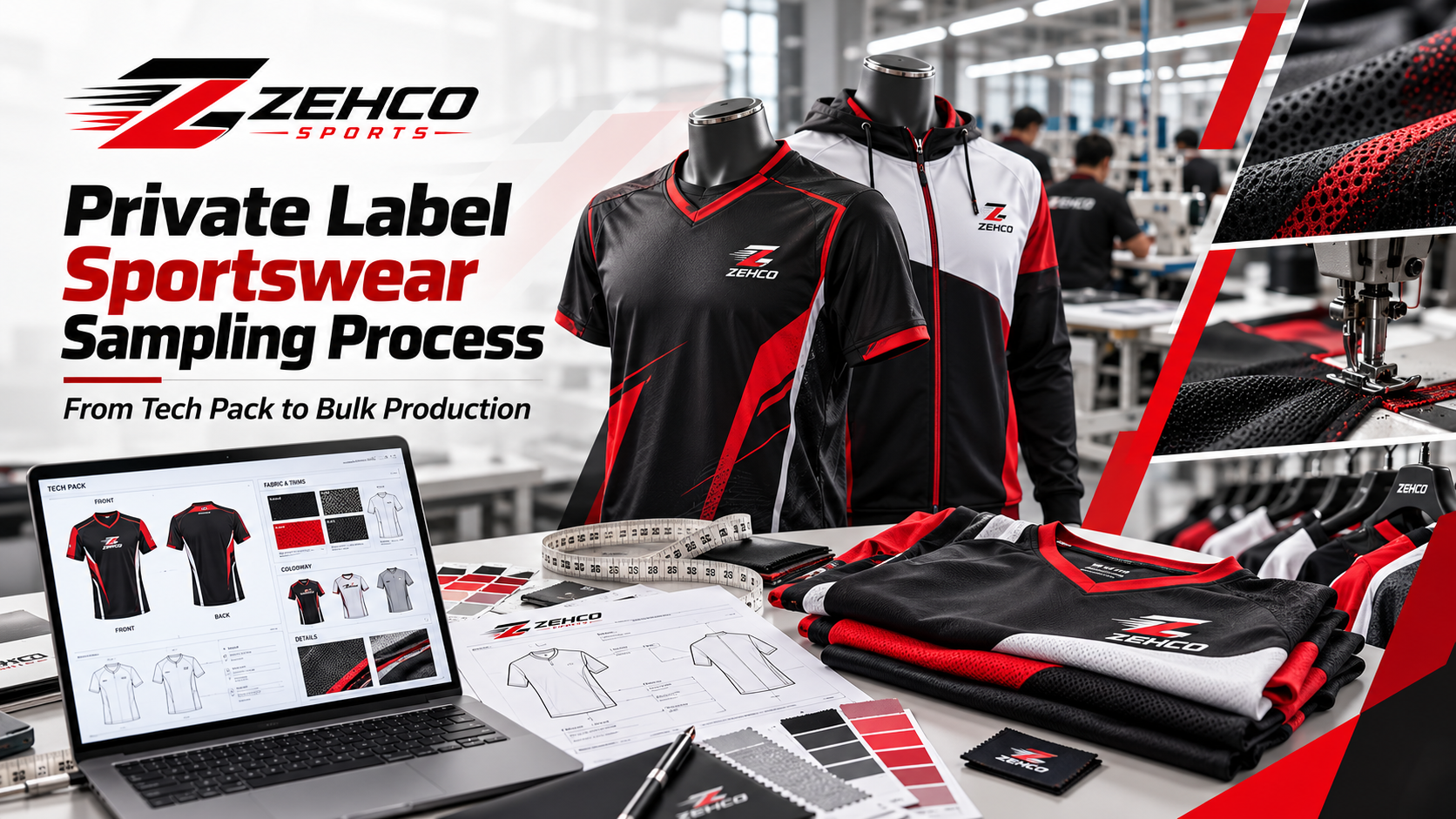
A structured sampling process generally begins with a technical package containing product drawings, material descriptions, protective component requirements and size specifications.
Initial Sample
The first sample provides an opportunity to examine general construction, styling, fit and material selection.
Revised Sample
After feedback, manufacturers may adjust panel shapes, reinforcement positions, materials, stitch placement or other design features.
Pre-Production Sample
The approved pre-production sample should represent the final agreed construction, subject to any additional testing and verification required before manufacturing authorization.
For safety-related products, sample approval based only on appearance and comfort is insufficient. The required protective testing and conformity assessment must also be addressed.
11. MOQ Considerations for International Brands
Minimum order quantity, or MOQ, depends on the particular glove design, materials, tooling, size assortment and manufacturing arrangements.
Customized molded protective components, exclusive colors or specialized packaging may influence the economically practical order quantity.
Brands planning a new racing glove collection should discuss:
- Quantity per design.
- Quantity per color combination.
- Available size distribution.
- Development and sampling charges.
- Special material procurement requirements.
- Tooling expenses where applicable.
- Estimated production lead time.
ZEHCO Sports can review OEM and private label production inquiries based on the submitted technical requirements. Final MOQ and manufacturing availability should be confirmed through a project-specific quotation.
12. Motorcycle Glove Quality Control and EN 13594
Protective motorcycle gloves intended for relevant regulated markets may need to comply with applicable safety requirements.
EN 13594 is a European standard addressing protective gloves for motorcycle riders. Buyers should confirm the currently applicable edition, required performance level, regulatory obligations and appropriate conformity assessment procedures for their target market.
Depending on the applicable requirements, evaluation may address characteristics such as restraint, seam strength, abrasion resistance, tear resistance and impact protection.
For products marketed in the European Union as protective equipment, applicable EU personal protective equipment requirements must also be considered.
Important: A supplier's general manufacturing experience or a product's racing appearance is not proof of EN 13594 compliance, CE conformity or suitability for professional competition.
Importers should obtain appropriate model-specific technical documentation and independently verifiable evidence before making certification claims.
13. Bulk Production Quality Inspection
After approval of the design and required performance criteria, bulk production should be monitored for consistency.
Inspection checkpoints may include:
- Incoming leather and material condition.
- Consistency of protective components.
- Pattern cutting accuracy.
- Stitching and seam workmanship.
- Correct placement of knuckle protectors.
- Palm reinforcement and slider attachment.
- Closure operation.
- Measurements against approved tolerances.
- Branding accuracy.
- Labels, packaging and carton counts.
Product inspections should be supported by a documented acceptance plan. Physical tests should be performed where necessary to substantiate protective performance.
14. Packaging and International Export Preparation
International glove brands and distributors may request individual retail packaging, protective inner bags, size identification labels and master cartons.
Packaging should protect the finished products from unnecessary compression, contamination and moisture during transport.
Buyers should confirm product labeling, destination-country requirements, carton dimensions and gross weights before shipment.
Export quotations should clearly state the agreed trade terms, named location, currency and shipping responsibilities.
15. Choosing a Motorcycle Racing Gloves Manufacturer in Pakistan
When comparing motorcycle racing glove manufacturers, international buyers should evaluate technical manufacturing capability, communication quality, material sourcing and sample consistency.
A suitable OEM partner should be able to discuss technical requirements in detail and identify which materials, protective assemblies and construction methods can be supplied.
Procurement teams should consider manufacturing experience, sample development procedures, material traceability, quality inspection practices and the availability of appropriate testing documentation.
For protective motorcycle equipment, choosing a supplier solely on the basis of the lowest quotation can create unnecessary product performance and compliance risks.
16. Custom Motorcycle Racing Gloves with ZEHCO Sports
ZEHCO Sports is based in Sialkot, Pakistan, a manufacturing center recognized for sports goods, leather products and specialized apparel production.
The company works in custom sportswear and racing gear manufacturing, including motorcycle-related apparel and accessories for brands, distributors and international sourcing partners.
For motorcycle racing glove development, buyers can submit their desired materials, size specifications, design drawings, branding requirements, quantity and target market information for a project review.
Manufacturing specifications, availability, commercial pricing and production schedules are established according to the individual project.
Website: https://zehcosports.com/
OEM inquiries: Contact ZEHCO Sports with your technical package, estimated order quantity, required protective specifications and destination market.
Frequently Asked Questions About Motorcycle Racing Gloves Manufacturing
What material is commonly used for motorcycle racing gloves?
Cowhide and goatskin are commonly considered leather options. Appropriate material selection depends on the design, desired flexibility, durability and required performance testing.
What is the purpose of palm sliders?
Palm sliders are designed to influence contact and sliding characteristics in selected areas of a glove. Their actual protective performance depends on construction, positioning and testing.
Can motorcycle racing gloves be manufactured with private label branding?
Yes. OEM manufacturing programs may incorporate custom colors, brand markings, labels and packaging, subject to production feasibility and applicable safety requirements.
Are all motorcycle racing gloves EN 13594 certified?
No. Compliance must be established for the specific finished glove model through the appropriate assessment and technical evidence. Certification should never be assumed from appearance or marketing descriptions.
Can international buyers request custom glove sizes?
Custom size grading may be developed using approved measurement charts, fit testing and production samples. Availability and tooling requirements depend on the manufacturer and design.
What determines MOQ for custom racing gloves?
MOQ depends on factors such as design complexity, material procurement, molded protective components, colors and production setup. Buyers should obtain a quotation based on the actual specification.
What should brands include in a motorcycle glove RFQ?
A complete request should include design drawings, glove construction details, material requirements, intended protective standard, size range, branding, approximate quantity, packaging and destination market.
Conclusion: Engineering, Fit and Testing Define Quality Racing Gloves
Motorcycle racing gloves manufacturing requires coordinated decisions across material sourcing, pattern engineering, protective design, stitching, ergonomics and quality assurance.
International buyers should evaluate more than external appearance. Palm reinforcement, knuckle protection, secure closures, accurate sizing and documented performance requirements all contribute to a successful development program.
With clear technical specifications and a structured sampling process, motorcycle apparel brands can work more effectively with OEM manufacturers and reduce uncertainty before bulk orders.
ZEHCO Sports welcomes international motorcycle racing glove manufacturing and private label sourcing inquiries. Visit https://zehcosports.com/ to discuss custom designs, materials, order quantities and manufacturing requirements.